1 What is machine learning? It is common sense, except done by a computer
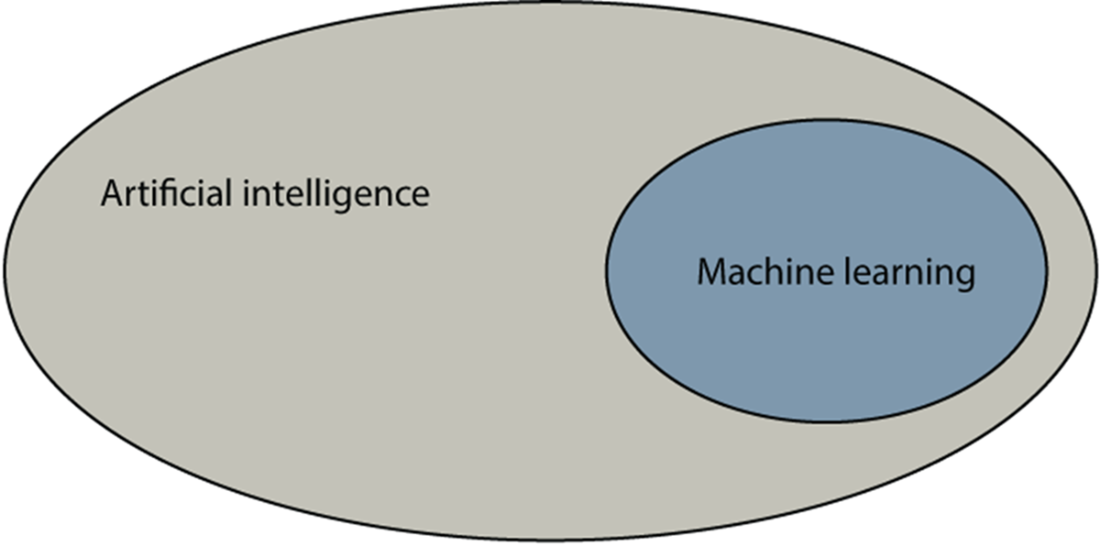
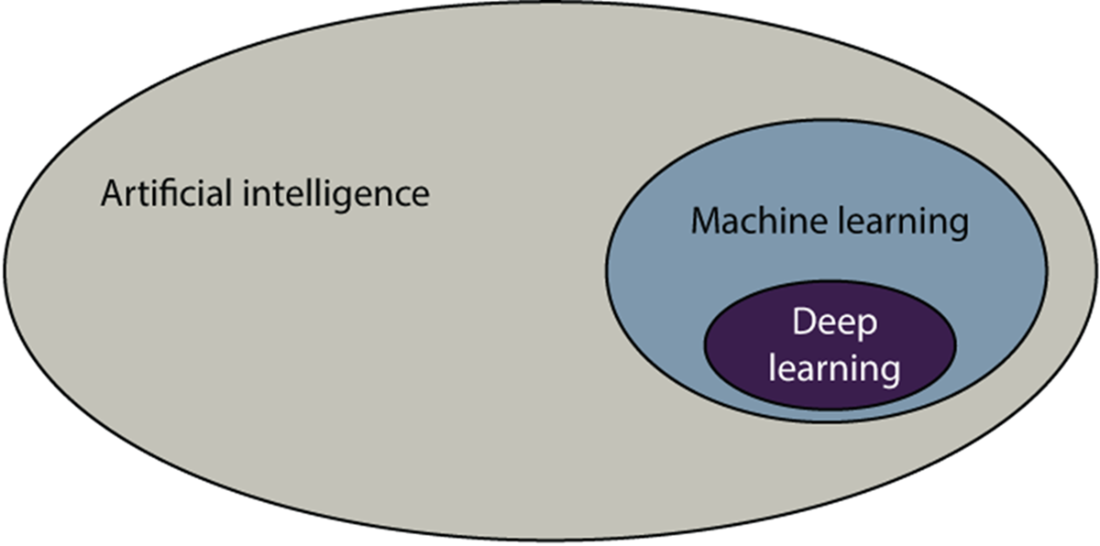
Machine learning enables computers to make decisions by learning from data, much as people draw on experience. It is a branch of artificial intelligence, while deep learning—a field using neural networks—is part of machine learning. The chapter presents the subject as approachable: clear examples and visual intuition can make its ideas understandable without advanced math or programming expertise.
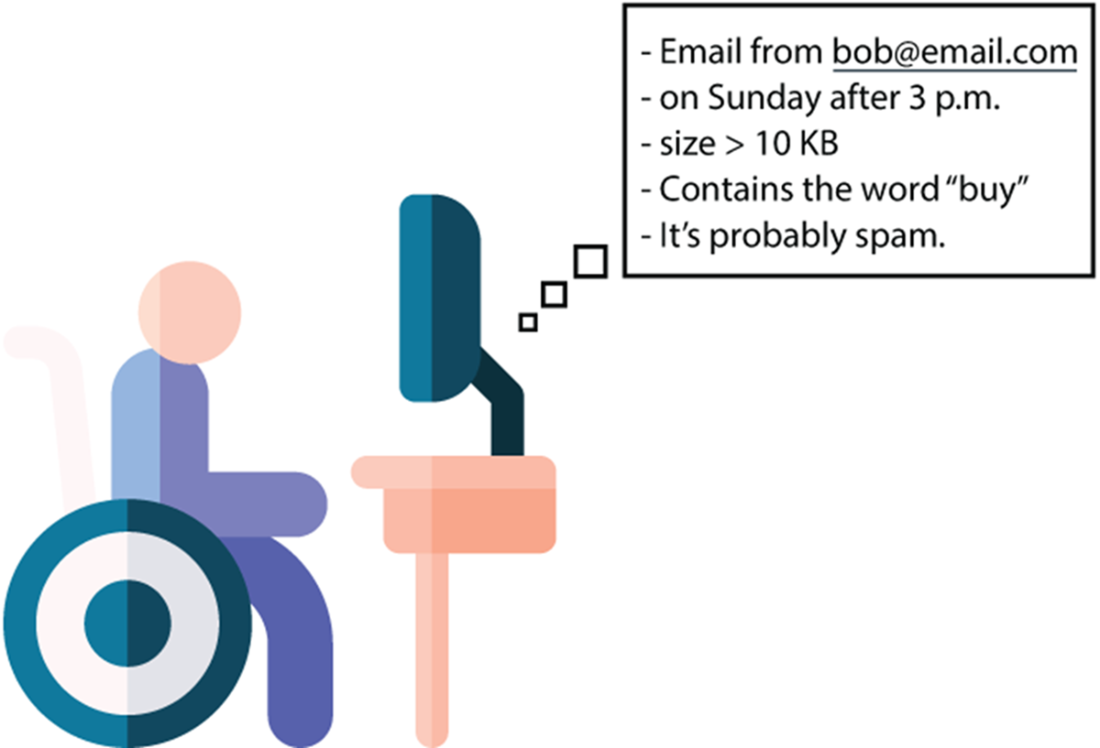
A central pattern is to remember relevant examples, formulate a general rule, and use that rule to predict what may happen. In machine learning, data provides the examples, an algorithm is the set of steps used to build a model, and the model is the rule or representation used to make predictions. Features—properties of the data, such as an email’s size or when it was sent—help a model distinguish outcomes, as in spam detection. A useful model should not merely fit known examples; it should also generalize to new ones.
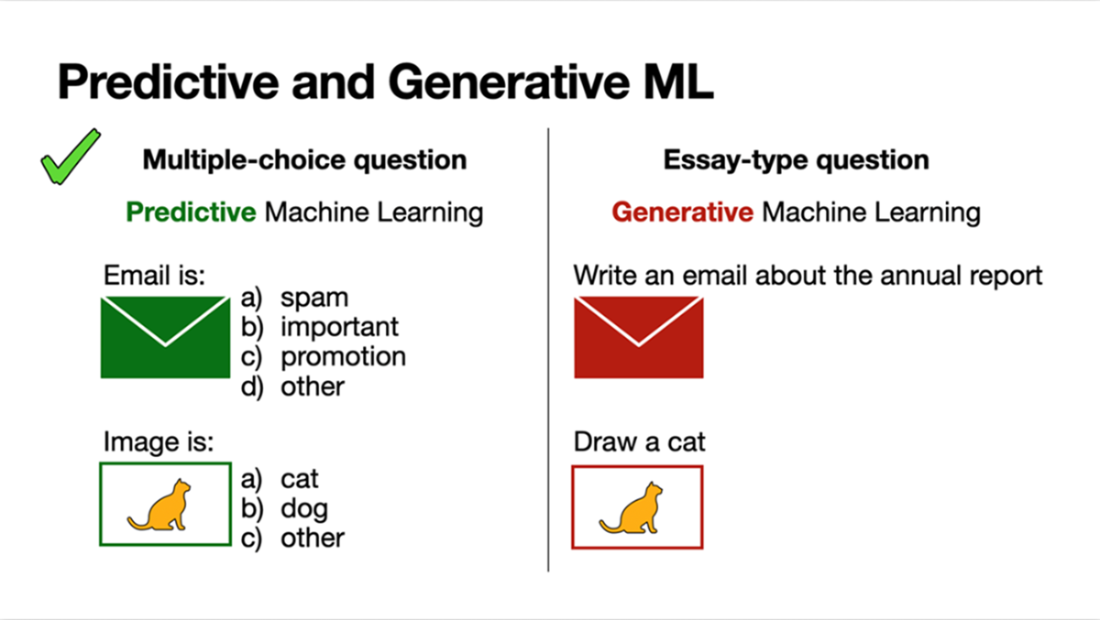
Computers can rapidly test many rules and combinations of features to find models, supporting tasks such as recommendations, image recognition, medical diagnosis, and spam filtering. Most of the book focuses on predictive machine learning, which classifies items or estimates values. Generative machine learning goes further by creating new material, such as text or images; it is more challenging, much like composing an essay is harder than answering a multiple-choice question.

Machine learning is a part of AI.
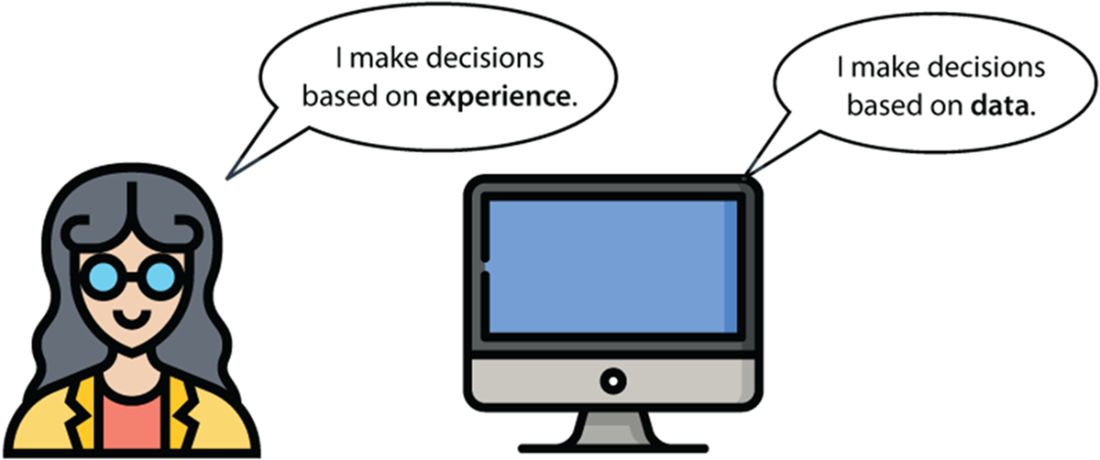
Machine learning encompasses tasks in which computers make decisions based on data, much as humans make decisions based on past experiences.
Deep learning is a part of machine learning.
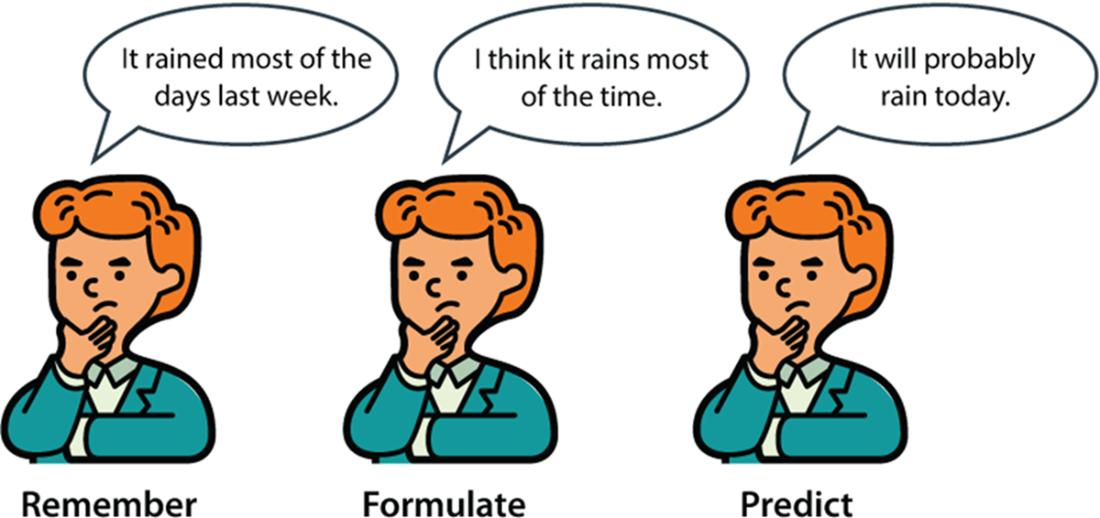
The remember-formulate-predict framework is the main one we use in this book. It consists of three steps: (1) we remember previous data, (2) we formulate a general rule, and (3) we use that rule to make predictions.
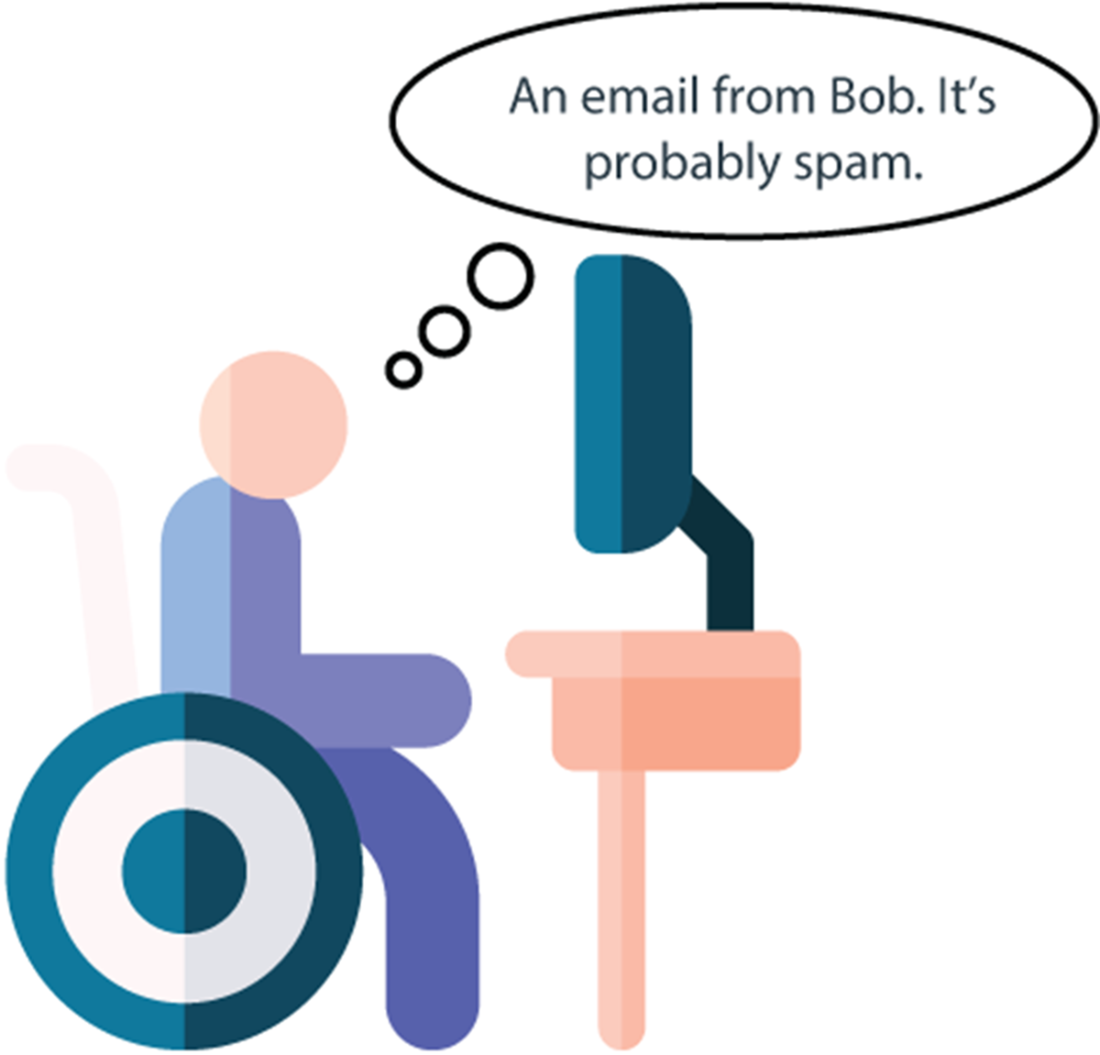
A very simple machine learning model
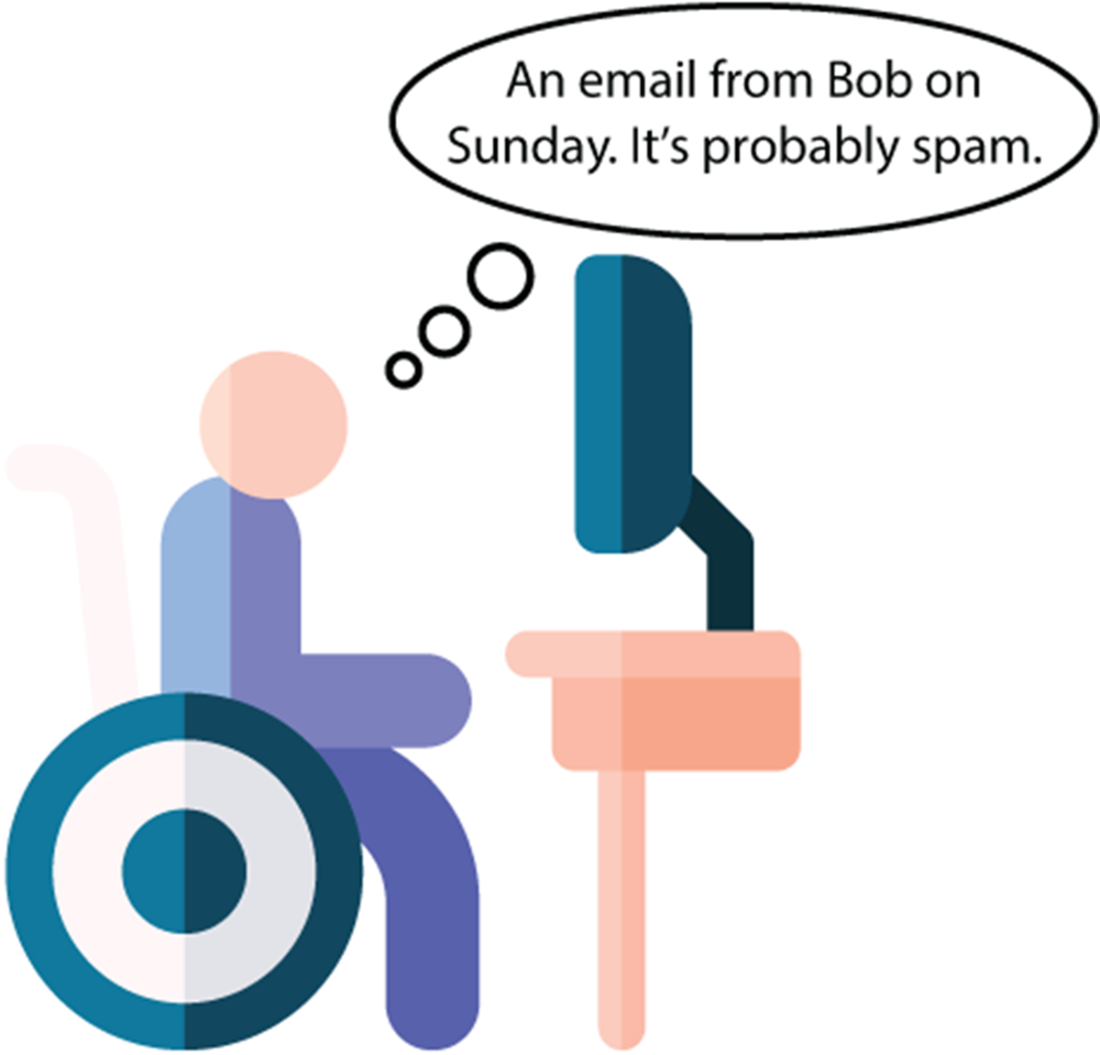
A slightly more complex machine learning model
Another slightly more complex machine learning model
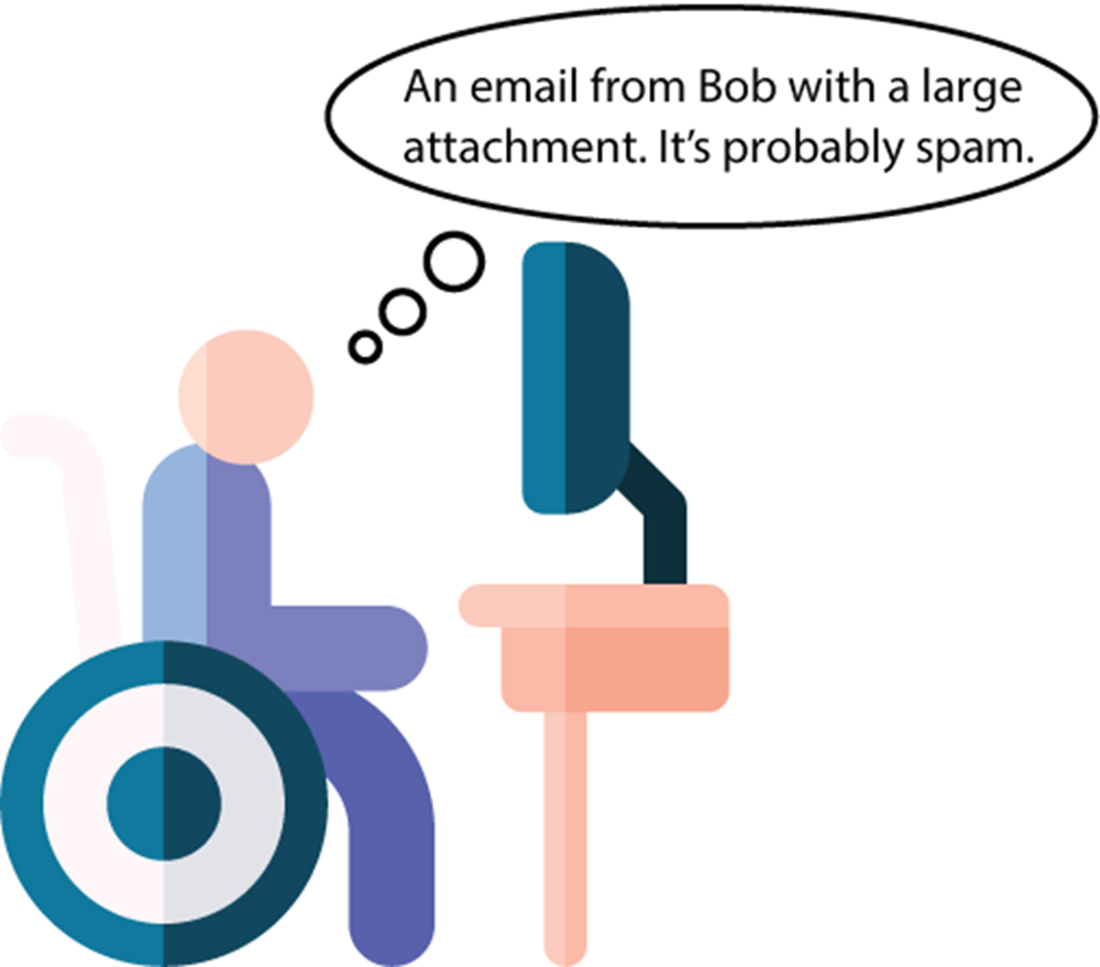
An even more complex machine learning model
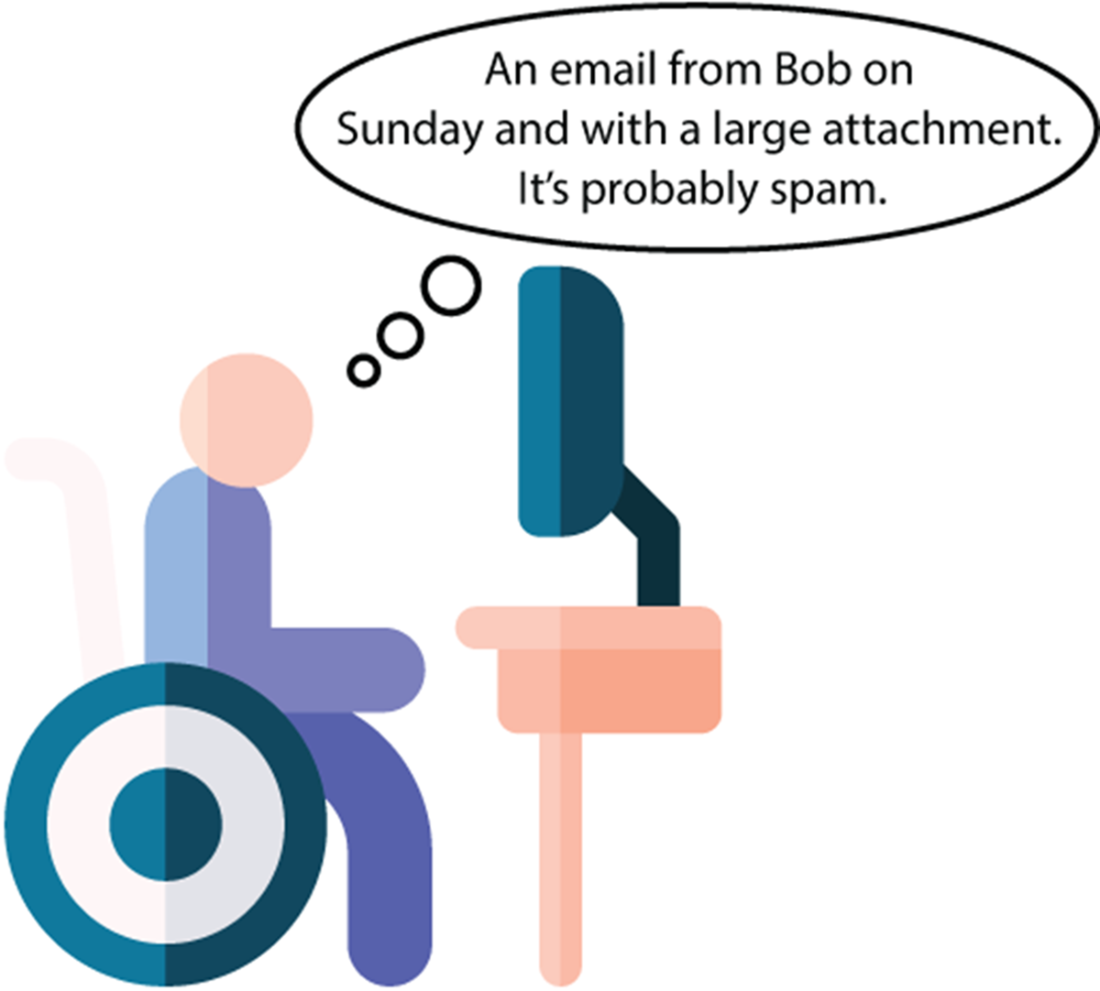
● Figure 1.9 A much more complex machine learning model found by a computer
Predictive machine learning is akin to answering multiple-choice questions. Generative machine learning is akin to writing an essay or drawing an image.
Summary
- Machine learning is easy! Anyone can learn it and use it, regardless of their background. All that is needed is a desire to learn and great ideas to implement.
- Machine learning is tremendously useful and is used in most disciplines. From science and technology to social problems and medicine, machine learning is making a difference and will continue to do so.
- Machine learning is common sense put to work by a computer. It mimics how humans think to make decisions quickly and accurately.
- Just as humans make decisions based on experience, computers can make decisions based on previous data. This is what machine learning is all about.
- Machine learning uses the remember-formulate-predict framework:
- - Remember: Look at the previous data.
- - Formulate: Build a model or a rule based on this data.
- - Predict: Use the model to make predictions about future data.
- Predictive machine learning answers questions, and generative machine learning creates new content, such as text and images.

 Grokking Machine Learning, Second Edition ebook for free
